The latest news and buzz from the Filipino community in Finland.

Hey, kabayan! Craving the excitement of ukay-ukay hunting but now calling Finland home? Don’t worry—this country has its own version of treasure troves filled with affordable, pre-loved gems. Whether you’re after stylish clothes, unique home finds, or just a bargain, Finland’s thrift scene is ready to deliver. Here are the top 5 places where you can get your thrift shopping fix:
1. UFF: Finland’s Ukay-Ukay Superstar
UFF is a favorite among thrift hunters in Finland. With branches in cities like Helsinki, Tampere, and Turku, it’s the ultimate destination for pre-loved clothes, shoes, and accessories. Their themed sales are the real highlight—prices drop as the sale progresses, sometimes down to just €1 per item! Plus, every purchase supports international aid projects, so you’re shopping for a cause.
2. Fida: The Thrift Store with a Heart
Fida is perfect for Filipinos who love a good deal and an organized shopping experience. This chain offers clothing, home decor, and even small furniture, all in excellent condition. And just like UFF, Fida uses its profits to fund humanitarian work. Pro tip: Visit during their seasonal sales for even better bargains!
3. Relove: Stylish Thrifting Meets Café Vibes
Relove is where thrift shopping becomes an aesthetic experience. Located in trendy Helsinki neighborhoods like Töölö and Punavuori, this store offers curated second-hand fashion alongside a cozy café. You can sip a latte, munch on a pastry, and browse racks filled with stylish pre-loved items. It’s the perfect spot if you’re after Instagrammable thrift moments.
4. Helsinki Recycling Center: Sustainability Central
For those who value eco-friendly living, the Helsinki Recycling Center is a must-visit. Beyond clothing, you’ll find books, furniture, and kitchenware at wallet-friendly prices. It’s like a giant garage sale, but with a focus on reducing waste and promoting sustainability. You might even find a piece that feels like a little slice of home.
5. Tori: Thrifting from the Comfort of Home
If you’d rather thrift shop without braving the Finnish cold,Tori is the answer. This online marketplace is packed with second-hand goodies, from clothing to furniture and electronics. The best part? You can channel your inner Divisoria pro and negotiate prices (just keep it chill—Finns aren’t used to hardcore haggling).
So, there you have it! Whether you’re exploring UFF’s sales, sipping coffee at Relove, or browsing Tori in your pajamas, Finland’s thrift scene has something for every ukay-ukay-loving Pinoy. Happy hunting, kabayan, and may you find all the stylish steals your heart desires!

Winter is here! If you’re a Filipino living in Europe and bracing for your first chilly season, your skin might already be feeling the effects. Coming from a tropical climate, adjusting to cold, dry weather can be tough. But with the right products, your skin can stay soft, hydrated, and healthy through it all. Here’s your guide to surviving (and thriving!) in winter with glowing skin.
1. Gentle Cleanser: Be Kind to Your Skin
Winter air is harsh enough—it’s not the time for cleansers that leave your face feeling tight and dry. Look for creamy, non-drying formulas that gently cleanse without stripping your natural oils.
Top Picks: CeraVe Hydrating Cleanser or Cetaphil Gentle Skin Cleanser
Budget: €10–€15
Pro Tip: Use lukewarm water when washing your face. Hot water feels cozy but dries your skin out even more.
2. Thick Moisturizer: Your Winter Shield
Cold weather calls for an upgrade to your moisturizer. Go for thick, rich creams that create a barrier to keep moisture in and dryness out.
Top Picks: Nivea Soft Cream, CeraVe Moisturizing Cream, or La Roche-Posay Lipikar Balm
Budget: €12–€20
Pro Tip: Apply moisturizer immediately after showering or cleansing to seal in hydration.
3. Sunscreen: Yes, Even in Winter
Snow and cloudy skies don’t stop harmful UV rays, and in fact, snow can reflect UV rays back at you. Sunscreen is just as important in winter as it is in summer.
Top Picks: Biore UV Aqua Rich or La Roche-Posay Anthelios Invisible Fluid SPF 50
Budget: €15–€25
Pro Tip: Apply sunscreen daily, even when it’s gloomy outside.
4. Hyaluronic Acid Serum: Your Hydration Booster
Hyaluronic acid is like a drink of water for your skin. It attracts moisture and helps keep your skin plump and hydrated even in the driest conditions.
Top Picks: The Ordinary Hyaluronic Acid 2% + B5 or Vichy Mineral 89
Budget: €8–€25
Pro Tip: Layer it under your moisturizer for an extra hydration boost.
5. Lip Balm: Say Goodbye to Chapped Lips
Dry, cracked lips are one of the most common (and annoying) winter skin issues. A nourishing lip balm can prevent and heal damage from cold winds and dry air.
Top Picks: Vaseline Lip Therapy or Burt’s Bees Lip Balm
Budget: €3–€8
Pro Tip: Reapply frequently, especially after eating or being outside in the cold.
6. Body Lotion: Care for the Rest of Your Skin
Winter dryness doesn’t stop at your face. A good body lotion will prevent itchy, flaky skin on your arms, legs, and everywhere else.
Top Picks: Aveeno Daily Moisturizing Lotion or Nivea Rich Nourishing Body Lotion
Budget: €8–€15
Pro Tip: Use lotion while your skin is still slightly damp after showering for better absorption.
7. Hand Cream: Keep Your Hands Happy
Your hands are exposed to the elements and constant washing, making them extra prone to dryness and cracking. A rich hand cream will keep them soft and protected.
Top Picks: Neutrogena Norwegian Formula Hand Cream or L’Occitane Shea Butter Hand Cream
Budget: €5–€20
Pro Tip: Apply hand cream after washing your hands and before going outside.
8. Facial Oil: Lock in Moisture
Facial oils add an extra layer of nourishment to your winter routine, sealing in moisture and giving your skin a soft, dewy finish.
Top Picks: The Ordinary 100% Organic Rosehip Oil or Bio-Oil Skincare Oil
Budget: €8–€20
Pro Tip: Pat a few drops onto your skin after moisturizer, especially at night.
9. Overnight Hydrating Mask: Wake Up Glowing
Winter nights can dry out your skin, so treat yourself to a deeply hydrating overnight mask once or twice a week. You’ll wake up with soft, supple skin.
Top Picks: Laneige Water Sleeping Mask or Neutrogena Hydro Boost Overnight Mask
Budget: €15–€30
Pro Tip: Think of this as a mini self-care ritual—apply before bed and let the mask do its magic.
10. Gentle Exfoliator: Say Goodbye to Dull Skin
Winter slows down skin cell turnover, which can leave your skin looking dull. A gentle exfoliator will help remove dead skin cells without causing irritation.
Top Picks: The Ordinary Glycolic Acid Toner or COSRX AHA/BHA Clarifying Toner
Budget: €10–€18
Pro Tip: Use sparingly—once a week is enough to keep your skin glowing without overdoing it.
Winter in Europe may feel intimidating at first, but it’s also a season of cozy nights, festive celebrations, and snowy landscapes. Taking care of your skin doesn’t have to be a chore—it’s a way to feel confident and comfortable as you enjoy the magic of the season. So layer up, pamper yourself, and let your skin thrive in the cold!

Traveling to Europe is often seen as a dream come true, a journey to the iconic cities we’ve seen in movies or read about in books. For Filipinos, Europe represents a place where history, art, culture, and nature collide, creating unforgettable experiences. Whether it’s sipping espresso by the Eiffel Tower or walking through the ancient streets of Rome, these destinations are filled with charm and adventure. But how do you make this dream a reality? Let's explore the top 10 places in Europe Filipinos long to visit—and how much you should budget for the journey.
Why Visit? Paris is more than a city; it’s an experience. Filipinos, with our love for fashion, food, and history, are drawn to the romance of the Eiffel Tower, the art at the Louvre, and the charming streets of Montmartre. Picture yourself strolling along the Seine River, enjoying fresh croissants in a café—this is the stuff dreams are made of.
Budget Estimate:
Flights: PHP 40,000–60,000 (roundtrip from Manila)
Accommodation: PHP 6,000–10,000 per night (budget hotels or Airbnbs)
Daily food and activities: PHP 3,000–5,000
Fulfillment Moment: Imagine standing in front of the Eiffel Tower for the first time. It's not just a photo-op—it's a moment that makes you feel like all your hard work and savings were worth it.
Why Visit? With the Philippines' strong Catholic roots, Rome holds a special place in many Filipino hearts. The Vatican, St. Peter’s Basilica, and the Colosseum connect you to both the spiritual and the historic past. Rome isn’t just a city; it’s a time capsule where ancient history meets modern life.
Budget Estimate:
Flights: PHP 40,000–60,000
Accommodation: PHP 4,000–8,000 per night
Daily food and activities: PHP 3,000–4,000
Fulfillment Moment: When you gaze at the Sistine Chapel’s ceiling or walk through the Roman Forum, you’ll feel like you’re part of something timeless. This journey will remind you of the importance of history and culture in shaping who we are.
Why Visit? London is a city that balances royal grandeur with bustling urban life. For Filipinos who love history and culture, London is a goldmine. From Buckingham Palace to the vibrant markets of Camden, the city feels both welcoming and endlessly fascinating.
Budget Estimate:
Flights: PHP 50,000–70,000
Accommodation: PHP 6,000–12,000 per night
Daily food and activities: PHP 4,000–6,000
Fulfillment Moment: Walking along the Thames, passing by Big Ben, and seeing the Changing of the Guard at Buckingham Palace will feel like a dream. You’ll feel proud to be exploring a city with so much influence on the world.
Why Visit? For Filipinos, the cultural connection with Spain runs deep. Barcelona is the perfect blend of Mediterranean charm, Gaudi’s mind-blowing architecture, and delicious food. It’s the ideal place to soak in the energy of a bustling city while enjoying relaxed afternoons by the beach.
Budget Estimate:
Flights: PHP 40,000–60,000
Accommodation: PHP 4,000–7,000 per night
Daily food and activities: PHP 3,000–4,000
Fulfillment Moment: Imagine marveling at the Sagrada Familia or wandering the vibrant streets of Las Ramblas. You’ll realize how far you’ve come from the island you once called home, feeling like you’re in a world of endless possibilities.
Why Visit? Amsterdam’s canals and flower fields are undeniably beautiful, and the city's mix of artistic culture and progressive attitude is fascinating. Filipinos will feel drawn to the charm of the city, whether they’re cycling along the canals or visiting the Anne Frank House.
Budget Estimate:
Flights: PHP 40,000–60,000
Accommodation: PHP 5,000–9,000 per night
Daily food and activities: PHP 3,000–4,000
Fulfillment Moment: Cruising through the canals at sunset or exploring the Van Gogh Museum is like stepping into another world. Amsterdam will make you appreciate art, history, and the beauty of simplicity.
Why Visit? Santorini’s stunning sunsets and pristine beaches are the stuff of fairy tales. It’s a dream destination for honeymooners, photographers, and anyone seeking natural beauty. The whitewashed houses perched on the cliffside are iconic, and the Mediterranean food is divine.
Budget Estimate:
Flights: PHP 50,000–70,000 (with connecting flights)
Accommodation: PHP 5,000–10,000 per night
Daily food and activities: PHP 3,000–5,000
Fulfillment Moment: As the sun sets over the caldera, painting the sky in hues of orange and pink, you’ll feel like you’re part of a dream—a dream that you made come true.
Why Visit? Vienna is a city of classical music, stunning palaces, and rich coffeehouse culture. It’s for Filipinos who love elegance, art, and indulging in luxurious yet calming surroundings. The city’s imperial history can be felt in its museums and majestic architecture.
Budget Estimate:
Flights: PHP 45,000–65,000
Accommodation: PHP 5,000–8,000 per night
Daily food and activities: PHP 3,000–4,000
Fulfillment Moment: When you sit in one of Vienna’s famous coffeehouses, sipping a hot cup of Sachertorte, you’ll realize how far-reaching your dreams can go when you put your heart into them.
Why Visit? Zurich is a city of peace, surrounded by mountains and lakes. It’s perfect for Filipinos who love nature and want to experience Europe’s beauty in its most pristine form. Switzerland is also home to luxury chocolates and watches.
Budget Estimate:
Flights: PHP 50,000–70,000
Accommodation: PHP 7,000–12,000 per night
Daily food and activities: PHP 4,000–6,000
Fulfillment Moment: Whether you're hiking the Swiss Alps or lounging by Lake Zurich, you'll feel a sense of accomplishment in the tranquility and beauty that Switzerland offers.
Why Visit? Prague’s medieval charm, cobblestone streets, and affordable prices make it a hidden gem in Europe. It’s an easy place for Filipinos to fall in love with, especially if they appreciate history and enchanting landscapes.
Budget Estimate:
Flights: PHP 40,000–60,000
Accommodation: PHP 3,000–6,000 per night
Daily food and activities: PHP 2,000–3,000
Fulfillment Moment: Strolling through Prague’s Old Town and standing before the Astronomical Clock will make you feel like you’ve stepped into a fairy tale. It’s a city that fills you with wonder.
Why Visit? Iceland’s natural wonders, like the Northern Lights, glaciers, and volcanoes, draw Filipinos seeking adventure. Reykjavik serves as the perfect base to explore the incredible landscapes, offering a combination of peace and awe-inspiring beauty.
Budget Estimate:
Flights: PHP 60,000–80,000
Accommodation: PHP 6,000–10,000 per night
Daily food and activities: PHP 4,000–6,000
Fulfillment Moment: Seeing the Northern Lights dance across the Arctic sky will feel like witnessing magic—proof that sometimes, the best things in life are worth the wait.
The thought of visiting Europe may seem like a faraway dream, but with the right preparation and mindset, it can be within your reach. Each place offers a unique experience, whether it's the energy of Paris or the tranquility of Iceland. The memories you'll create will be worth every step of the journey. So pack your bags and start planning—Europe is waiting for you!

Christmas in the Philippines is celebrated with a unique blend of faith, food, and family, making it one of the most festive and heartwarming times of the year. Filipino Christmas traditions are deeply rooted in community, spirituality, and hospitality, creating a season filled with joy, laughter, and togetherness. Here are some of the top Filipino Christmas traditions that make the holiday season truly special:
One of the most cherished traditions in the Philippines is attending Simbang Gabi, a series of nine dawn Masses starting on December 16. Filipinos wake up early to attend these Masses, which are held in the stillness of the morning before the sun rises. It is a time for reflection, prayer, and spiritual renewal in preparation for Christmas.
On Christmas Eve, Filipinos attend Misa de Gallo, a Midnight Mass to celebrate the birth of Jesus Christ. The Mass is often followed by Noche Buena, a grand feast with family and friends, marking the culmination of the Simbang Gabi tradition.
Noche Buena is the grand family meal enjoyed on Christmas Eve after the Midnight Mass. Filipino families come together to share a bountiful spread of traditional dishes such as lechon (roast pig), queso de bola (edam cheese), hamon (Christmas ham), pancit (noodles), and an array of Filipino desserts like bibingka (rice cake) and puto bumbong (purple rice cake). This feast is an important part of Filipino Christmas and is a time to bond and create lasting memories.
The parol is a traditional Filipino Christmas lantern that is usually star-shaped, symbolizing the Star of Bethlehem. Made from bamboo and paper, these lanterns are displayed in homes and streets, creating a festive and warm atmosphere throughout the holiday season. The parol represents hope and the guiding light of faith.
In the Philippines, Christmas caroling is a beloved tradition. Groups of children or adults go from house to house, singing Christmas carols in exchange for small gifts or money. The lively tunes, such as "Jingle Bells" and "Ang Pasko Ay Sumapit," bring festive cheer to neighborhoods and strengthen community ties.
Puto Bumbong (purple rice cakes) and bibingka (rice cakes topped with salted egg and cheese) are traditional Filipino Christmas delicacies that are commonly sold outside churches after Simbang Gabi. These sweet treats, often enjoyed with tsokolate (hot chocolate), are a comforting and delicious part of the Christmas season.
Similar to Secret Santa, the Filipino tradition of Monito, Monita involves exchanging gifts within families or offices. Participants draw names and give each other surprise presents. The joy of thoughtful gift-giving, especially in a close-knit community, makes this tradition a fun and heartwarming part of the season.
Pabitin is a popular game at Filipino Christmas parties, especially for children. It involves a bamboo frame with treats, toys, and goodies hanging from it. The frame is raised and lowered, and children try to grab as many items as they can. This fun and exciting game is filled with laughter and joy for everyone.
Filipino Christmas celebrations begin as early as September, when the “ber” months arrive. The transition to Christmas starts with the playing of Christmas carols in malls, decorations appearing in homes, and early preparations for the holiday season. By the time December arrives, the country is fully immersed in the Christmas spirit, making the Filipino Christmas season one of the longest in the world.
Belen is a Filipino nativity scene that depicts the birth of Jesus Christ, often displayed in homes, churches, and public spaces. It is a visual reminder of the reason for the season and serves as a focal point for family prayers and reflections during Christmas.
Filipino Christmas traditions are a celebration of faith, family, and love. From the spiritual practices of Simbang Gabi to the delicious feasts of Noche Buena and the joy of Puto Bumbong and Monito, Monita, Christmas in the Philippines is a time of unity, happiness, and warmth. These traditions bring people together, making Christmas in the Philippines truly special and unforgettable.
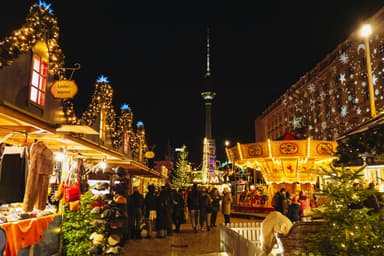
For Filipinos living abroad or visiting Europe, the Christmas season offers a magical opportunity to experience the festive charm of European Christmas markets. These markets are a blend of traditions, delicious food, and festive decorations that make the holiday season even more special. If you're longing for the coziness of home or looking for something new and exciting, here’s a list of top 10 Christmas markets in Europe that are particularly delightful for Filipinos:
Why Visit: Vienna is a city steeped in history and elegance, and its Christmas market is no exception. The charming stalls near the Rathaus (City Hall) offer a mix of traditional crafts and delicious treats. Why Filipinos Love It: The warm, festive ambiance feels just like home during the holidays, with traditional food and cozy atmospheres perfect for bonding with family and friends. Must Try: Hot mulled wine (Glühwein), Apfelstrudel, and roasted chestnuts.
Why Visit: Strasbourg is known as the “Capital of Christmas,” and its market is one of the oldest in Europe, with a beautiful backdrop of the medieval architecture of the city. Why Filipinos Love It: The market’s heartwarming atmosphere evokes the same sense of community and joy that Filipinos feel during Noche Buena. Must Try: Bredele (Alsace Christmas cookies), Vin Chaud (mulled wine), and foie gras.
Why Visit: Prague’s Old Town Square transforms into a Christmas wonderland with its twinkling lights, festive ornaments, and charming wooden huts. Why Filipinos Love It: The cobblestone streets and medieval buildings create a cozy, picturesque setting that feels like something out of a Christmas card. Filipinos will love the festive vibe and how welcoming the people are. Must Try: Trdelník (sweet pastry), hot chocolate, and mulled wine.
Why Visit: Cologne’s Christmas Market is famous for its scenic location next to the stunning Cologne Cathedral. It features beautifully crafted ornaments, gifts, and delicious food. Why Filipinos Love It: The grand cathedral's towering presence and the lively market evoke the same warmth and spirituality Filipinos cherish during Christmas. Must Try: Reibekuchen (potato pancakes), roasted chestnuts, and Glühwein.
Why Visit: Helsinki’s Christmas Market in Senate Square is a must-see, offering a cozy, welcoming atmosphere with Finnish delicacies, beautiful handicrafts, and the twinkling light displays of the northern city. Why Filipinos Love It: For those experiencing the Finnish winter for the first time, the market brings a sense of warmth and Filipino holiday cheer with its hearty food and hot drinks. Must Try: Finnish glögi (mulled wine), gingerbread cookies, and traditional Finnish sausages.
Why Visit: Tallinn’s Old Town is a UNESCO World Heritage site, and during Christmas, it’s transformed into a magical winter wonderland. The market is famous for its beautiful wooden stalls, local crafts, and seasonal treats. Why Filipinos Love It: The medieval charm and the warmth of the festive lights will remind Filipinos of the joyous feeling of being with family during the holidays. Must Try: Gingerbread cookies, mulled wine, and handmade Estonian crafts.
Why Visit: Set in the picturesque Georgian city of Bath, this Christmas market is renowned for its independent stalls offering unique gifts and festive treats. Why Filipinos Love It: The charming, intimate feel of the market, combined with a festive atmosphere that doesn’t overwhelm, makes it a perfect escape from the busy hustle and bustle. Must Try: Mince pies, mulled wine, and locally made soaps and gifts.
Why Visit: Budapest’s Vörösmarty Square Christmas Market is filled with hand-crafted goods, twinkling lights, and a rich display of Hungarian holiday culture. Why Filipinos Love It: The warmth and hospitality of the market and the heartwarming flavors of Hungarian food will make Filipinos feel right at home during the cold winter months. Must Try: Chimney cake (Kürtőskalács), goulash, and Hungarian honey cookies.
Why Visit: The Tivoli Gardens in Copenhagen hosts a magical Christmas market where visitors can enjoy the holiday festivities with Danish charm. Why Filipinos Love It: The charming amusement park setting gives the market a fairytale quality that will delight families and visitors looking for a festive and lively experience. Must Try: Danish pastries (especially cinnamon rolls), mulled wine (Gløgg), and roasted almonds.
Why Visit: Munich’s Christkindlmarkt is one of the largest Christmas markets in Germany, with over 150 stalls featuring beautiful handmade crafts and delicious Bavarian food. Why Filipinos Love It: Munich’s festive atmosphere and warm, hearty Bavarian foods will remind Filipinos of the delicious holiday feasts shared with loved ones during Christmas. Must Try: Weisswurst (Bavarian sausage), gingerbread cookies, and Glühwein.
For Filipinos, experiencing the magic of European Christmas markets is a delightful way to embrace the holiday season in a whole new way. These markets not only offer beautiful crafts and delicious treats but also remind us of the warmth and joy that the holidays bring—whether you're in the heart of a busy European city or far from home. So, pack your coat, gather your family, and enjoy a memorable Christmas adventure at these must-visit European Christmas markets!

Winter can be tough, especially if you're not used to freezing temperatures. Whether you're a Filipino who’s just arrived in Finland or someone from a warmer climate adjusting to colder weather, mastering the art of layering is the secret to staying comfortable in the cold. Let’s break it down: with the right layers, you can tackle the freezing temperatures, snow, and icy winds without feeling miserable. Here's how to do it like a pro.
The first layer you put on is the most important. It should be something that keeps your body heat close while wicking moisture away. Think moisture-wicking fabrics like merino wool or synthetic materials that don’t absorb sweat but keep you warm and dry. Long-sleeve shirts and thermal leggings are perfect for this job.
The mid-layer adds warmth by trapping heat, while also allowing moisture to escape. The beauty of this layer is that it keeps you warm without too much bulk. Go for fleece, down, or synthetic insulation jackets. These will keep you cozy and comfortable no matter how low the temperature drops.
Your outer layer is the barrier between you and the harsh winter conditions. A waterproof and windproof jacket or coat will protect you from snow, rain, and biting winds. Look for jackets with materials like Gore-Tex, which are both breathable and water-resistant, so you stay warm and dry.
When it gets seriously cold, your winter coat is your best defense. Opt for a thick down or insulated parka with a good-quality hood. Down is lightweight yet super warm, while synthetic insulation can keep you toasty even when it’s wet. These coats are perfect for snowstorms or any harsh winter weather.
Did you know that you lose a lot of body heat through your head? That’s why a good warm hat is crucial. Choose a woolen or fleece-lined beanie for cold days, and if the temperatures are really low, consider a balaclava to cover your face and ears as well. Stay warm from head to toe!
Cold hands can ruin your day, so make sure to invest in good gloves or mittens. Opt for insulated and waterproof options that will keep your hands warm even in the snow. If you’re facing extreme cold, mittens will keep your fingers warmer by allowing them to stay close together.
The cold winds can quickly chill your neck and face, so don’t forget a good scarf or neck gaiter. A thick woolen scarf will provide warmth while blocking the wind, but for even more protection, a neck gaiter or balaclava will cover your face and keep the chill away from your skin.
Cold feet can make the entire winter experience miserable. Make sure you have a few pairs of thick, thermal socks. Wool or synthetic fiber socks are perfect for trapping warmth while wicking away moisture. You can also double up with thinner moisture-wicking socks underneath thick wool socks for added protection.
Waterproof, insulated boots are a must for the winter season. Look for boots that are high enough to protect your ankles, with good insulation to keep your feet warm even in deep snow. Make sure your boots have a solid grip to prevent slipping on ice and snow.
Don’t forget your legs! Adding a layer of thermal leggings or tights underneath your pants is a game-changer. Merino wool or fleece-lined leggings are ideal for keeping your legs warm while still fitting comfortably under jeans or snow pants.
Master the Art of Layering
The secret to staying warm in the winter is all about layering. Each layer has a purpose: moisture-wicking (base), insulation (mid), and protection (outer). Adjust the layers based on the temperature and how active you are—if you're out for a winter walk or skiing, you may need to remove a layer to avoid overheating.
Whether you’re facing a Finnish winter or any other cold climate, these 10 layers will keep you warm, dry, and comfortable. It’s all about having the right clothing to face the cold head-on. So layer up, bundle up, and embrace winter with confidence!

When visiting Finland, one of the best ways to experience the local culture is through its delicious and unique cuisine. From hearty meats to sweet treats, Finnish food offers a variety of flavors that reflect the country’s rich traditions and natural bounty. Here’s a list of the top 10 must-try Finnish foods, where to get them, and why they should be on your food bucket list!
Where to get it: Most bakeries and cafés across Finland.
Why try it: These delicious pastries, with their thin rye crust and creamy rice porridge filling, are a Finnish classic. Topped with egg butter, they’re a perfect snack or breakfast treat. It’s a great way to start your day in Finland!
Where to get it: Available in supermarkets, bakeries, and even in homes throughout Finland.
Why try it: Finland’s dark, dense rye bread is a must-try for anyone who loves hearty bread. It’s a staple in Finnish cuisine and pairs wonderfully with butter, cheese, or cold cuts. It’s simple, yet so satisfying!
Where to get it: Many traditional Finnish restaurants, especially those by the lakes or in cities like Helsinki.
Why try it: This creamy soup made with fresh salmon, potatoes, and dill is perfect for a cozy meal. The combination of flavors is light yet comforting, and it showcases Finland’s love for fresh, local fish.
Where to get it: Most Finnish supermarkets, especially in the northern regions like Lapland.
Why try it: This warm, squeaky cheese is often served with cloudberry jam, creating a delightful contrast of flavors. It’s a unique taste you won’t find anywhere else, and it’s a fun experience for food lovers.
Where to get it: Specialty shops or traditional restaurants in Finland, especially in the Savonia region.
Why try it: This hearty, portable pie filled with fish and pork is perfect for a day of hiking or picnicking. It’s a unique Finnish take on a savory pie and an essential part of the Finnish food experience.
Where to get it: Supermarkets, especially around Easter time.
Why try it: Mämmi is a traditional Finnish dessert made from rye flour and molasses. Though its dark color and earthy flavor may be surprising to some, it’s a beloved dish during Easter and is often enjoyed with cream and sugar.
Where to get it: Try it at restaurants in Lapland or places specializing in Finnish Lapland cuisine.
Why try it: This unique dish made with sautéed reindeer meat is a true taste of Finnish Lapland. It’s a hearty, flavorful meal, often served with mashed potatoes and lingonberry sauce. A must-try for those looking to taste something distinctly Finnish.
Where to get it: Available at bakeries and cafés throughout Finland, especially in summer.
Why try it: Finnish blueberry pie is a sweet, simple dessert that highlights Finland’s abundance of fresh berries. It’s the perfect way to end a meal, especially with a dollop of vanilla sauce or whipped cream.
Where to get it: Supermarkets, candy shops, and even convenience stores.
Why try it: Salmiakki is a Finnish love-it-or-hate-it candy made from ammonium chloride. The salty, earthy flavor is unique, and while it may be an acquired taste for some, it's an essential part of Finnish snacking culture.
Where to get it: Available in many restaurants, especially those near lakes or coastal areas.
Why try it: This lighter fish soup made with fresh fish, potatoes, and herbs is perfect for a fresh, satisfying meal. It’s a comforting dish, especially when served with rye bread.
Each of these dishes offers a taste of Finland's culture, history, and natural beauty. Whether you’re snacking on a traditional Karelian pasty, warming up with a bowl of creamy salmon soup, or exploring the bold flavors of reindeer, Finnish food is a reflection of the country’s connection to the land. Don’t miss out on these iconic tastes – they’ll make your trip to Finland unforgettable!

Living in Finland can be an exciting adventure for Filipinos, but the cultural differences can be quite a shock at first. The contrast between Filipino warmth and Finland’s reserved demeanor can take some getting used to. If you're planning to make the move or already living there, here are seven cultural surprises you’ll likely face.
One of the first things Filipinos notice in Finland is the amount of personal space people keep. In the Philippines, it's common to stand close to others, especially in public places like queues or even casual conversations. In Finland, however, people prefer to maintain a good distance between themselves and others. At first, it might feel lonely, but it’s just a cultural preference to respect space.
Finns aren’t big on small talk. Unlike Filipinos, who love to engage in friendly conversations, Finns value directness and brevity. In Finland, if you need something or want to say something, you do it with as few words as possible. The silence in conversations is not awkward, it’s simply a way of showing comfort. So, if you’re used to chatting non-stop, you may have to adapt to the quieter atmosphere.
The sauna is sacred in Finland, but the Filipino community may find it odd at first. It's a tradition to gather in a sauna, often nude, and relax with friends or family. While this might be a little uncomfortable for those unfamiliar with it, it’s essential to remember that this is a long-standing cultural practice. After some time, many people come to appreciate the sauna’s calming effect and the way it brings people together.
Finnish people are comfortable with silence, especially in social settings. For Filipinos, who are used to lively conversations and noise, the calm and quiet in Finnish culture can be a bit unsettling. In Finland, silence isn’t uncomfortable or awkward; it’s part of how people communicate. You’ll quickly get used to the idea that just being in someone’s company without talking is totally fine.
Finnish winters can be brutal, especially if you’re used to the tropical warmth of the Philippines. The days are incredibly short, and the long nights can feel isolating. However, many Filipinos learn to appreciate the Finnish approach to winter, with cozy indoor activities, saunas, and embracing the snow outdoors. It’s all about adapting to the cold and learning to make the most of it.
The Finnish term “sisu” refers to a kind of gritty determination and resilience that’s embedded in their culture. It’s not about giving up or showing weakness. Instead, it’s about pushing through tough situations no matter what. Filipinos, who are often known for their communal approach to problems, might find this individualistic attitude different at first, but it’s something that many come to admire and integrate into their own mindset.
In Finland, when you enter someone’s home, the first thing you do is take off your shoes. While this may be somewhat familiar to Filipinos who also remove their footwear in certain homes, the practice is strictly enforced in Finland. Not doing so can be considered disrespectful. It’s not just about cleanliness, it’s a part of the culture that reflects respect for others' homes.
Adjusting to Finnish culture may take time, but it’s a rewarding experience. Embrace the differences, and soon enough, you’ll find yourself appreciating the Finnish way of life—whether it’s their love for silence, their resilience, or their cozy winters.

The "digital nomad" lifestyle has surged in popularity, especially for Filipinos living abroad. As the world becomes increasingly interconnected through technology, the ability to work remotely has opened doors to an exciting new way of life—combining travel, exploration, and career development.
A digital nomad is someone who uses the internet to work remotely, allowing them to live anywhere in the world. With the rise of remote work, freelancing, and online businesses, people are no longer tied to a specific location. Whether it's a beach in Bali or a coffee shop in Lisbon, digital nomads can design their own schedules and work from any location that provides a good internet connection.
The Philippines has become a hotspot for remote workers, thanks to its strong English proficiency, vibrant culture, and affordable cost of living. Filipinos are leveraging the global trend of remote work to explore new destinations while maintaining stable careers. Some of the most popular spots include Southeast Asian destinations like Bali, Chiang Mai, and Vietnam, as well as cities in Europe such as Lisbon and Barcelona.
1.Work-Life Balance: The flexibility to set your own hours means you can create a work-life balance that works best for you. This allows Filipinos to focus on personal passions, hobbies, and travel without sacrificing career progression.
2.Global Opportunities: With access to global markets, digital nomads can expand their businesses, freelance services, or work with international companies. This opens up new opportunities for Filipinos in tech, marketing, design, and more.
3.Cultural Exploration: Living in different countries allows Filipinos to immerse themselves in diverse cultures while maintaining a connection to their Filipino roots.
4.Affordable Living: Many of the top digital nomad destinations offer a lower cost of living compared to major cities in the Philippines. Cities in Eastern Europe, Southeast Asia, and parts of South America provide affordable accommodations and food while maintaining a high quality of life.
Bali, Indonesia: Known for its vibrant digital nomad community, Bali offers affordable living, co-working spaces, and stunning beaches. It has become a go-to destination for remote workers from around the world.
Lisbon, Portugal: Lisbon is becoming a favorite among European digital nomads. With its mix of history, great food, and friendly locals, it offers a perfect balance of work and leisure.
Barcelona, Spain: For Filipinos who enjoy European culture, Barcelona offers beautiful landscapes, a thriving tech scene, and numerous co-working spaces for remote workers.
Chiang Mai, Thailand: Widely regarded as one of the best places to work remotely, Chiang Mai has an established digital nomad community and offers cheap living, great food, and a relaxed lifestyle.
1.Find Remote Work: You can start by looking for jobs or freelance opportunities that allow remote work. Websites like Upwork, Remote OK, and We Work Remotely are great places to find job listings.
2.Get the Right Tools: A laptop, reliable internet, and the right software tools are essential for remote work. Ensure you have a solid setup, including tools for communication (Slack, Zoom) and project management (Trello, Asana).
3.Apply for Digital Nomad Visas: Several countries now offer digital nomad visas to attract remote workers. Countries like Portugal, Estonia, and Georgia have implemented these visas, which allow you to legally work in their countries while living there.
4.Plan Your Finances: While living abroad, it's essential to manage your finances wisely. Consider setting up a local bank account or using services like TransferWise to transfer money back home. Additionally, factor in travel insurance, taxes, and the cost of living in your chosen destination.
Create a Solid Routine: It’s tempting to get caught up in the excitement of traveling, but maintaining a steady routine is key for productivity. Set clear work hours and stick to a schedule that works for you.
Network with Other Nomads: Join digital nomad communities online or in person. Many cities have meet-ups, co-working spaces, and events that help nomads connect and share advice.
Explore New Places: One of the best parts of being a digital nomad is the opportunity to explore new cities and cultures. Use your free time to experience the local attractions, food, and activities that each place has to offer.
Stay Connected with Family and Friends: Living far from home can be tough, but technology makes it easier to stay in touch. Use video calls, social media, and messaging apps to keep in touch with loved ones back in the Philippines.
The digital nomad lifestyle presents an exciting opportunity for Filipinos abroad to work while traveling, experiencing the world in a way that was once unimaginable. Whether you're based in Asia or Europe, this lifestyle allows for flexibility, financial independence, and cultural immersion—all while staying connected to your Filipino roots.