As the calendar turns to November, a hush seems to fall over many parts of the world, a collective pause dedicated to memory and the unseen. For many cultures, the first two days of this month are not ordinary days; they are a sacred time to honor those who have passed away. While often grouped together, All Saints' Day on November 1st and All Souls' Day on November 2nd serve two distinct, yet connected, purposes. One celebrates the glorious saints in heaven, and the other offers comfort and prayer for all the faithful departed.
This dual observance is a beautiful window into how different societies view life, death, and the connection between the living and the dead. By traveling from the serene cemeteries of Finland to the vibrant family gatherings in the Philippines, and glancing at other traditions, we can see the many ways people express a universal need: to remember and to honor.
The Two Days: Understanding the Difference
The journey begins with understanding the distinction between the two days. Think of it as a two-part celebration. All Saints' Day is a day of victory and celebration. It honors all the saints—both the famous ones known by name and the countless unknown ones—who are believed to be in heaven. It's a joyful day, focusing on the perfect happiness and light that these holy people have achieved. All Souls' Day, on the other hand, is a day of memory and gentle prayer. It is dedicated to praying for the souls of ordinary people—our friends, family, and ancestors—who have died and are on their final journey. The day is rooted in the idea of supporting them with love and prayer. Over time, this religious tradition blended beautifully with local customs around the world, creating the rich variety of observances we see today.
Finland: A Quiet Tribute of Light
In Finland, a country known for its quiet landscapes and reflective nature, these two days are often observed together in a calm and dignified manner. The holiday, called Pyhäinpäivä, which means All Saints' Day, is moved to the Saturday between October 31st and November 6th. The atmosphere perfectly matches the season: the air is crisp, the days are short, and the world is growing quiet.
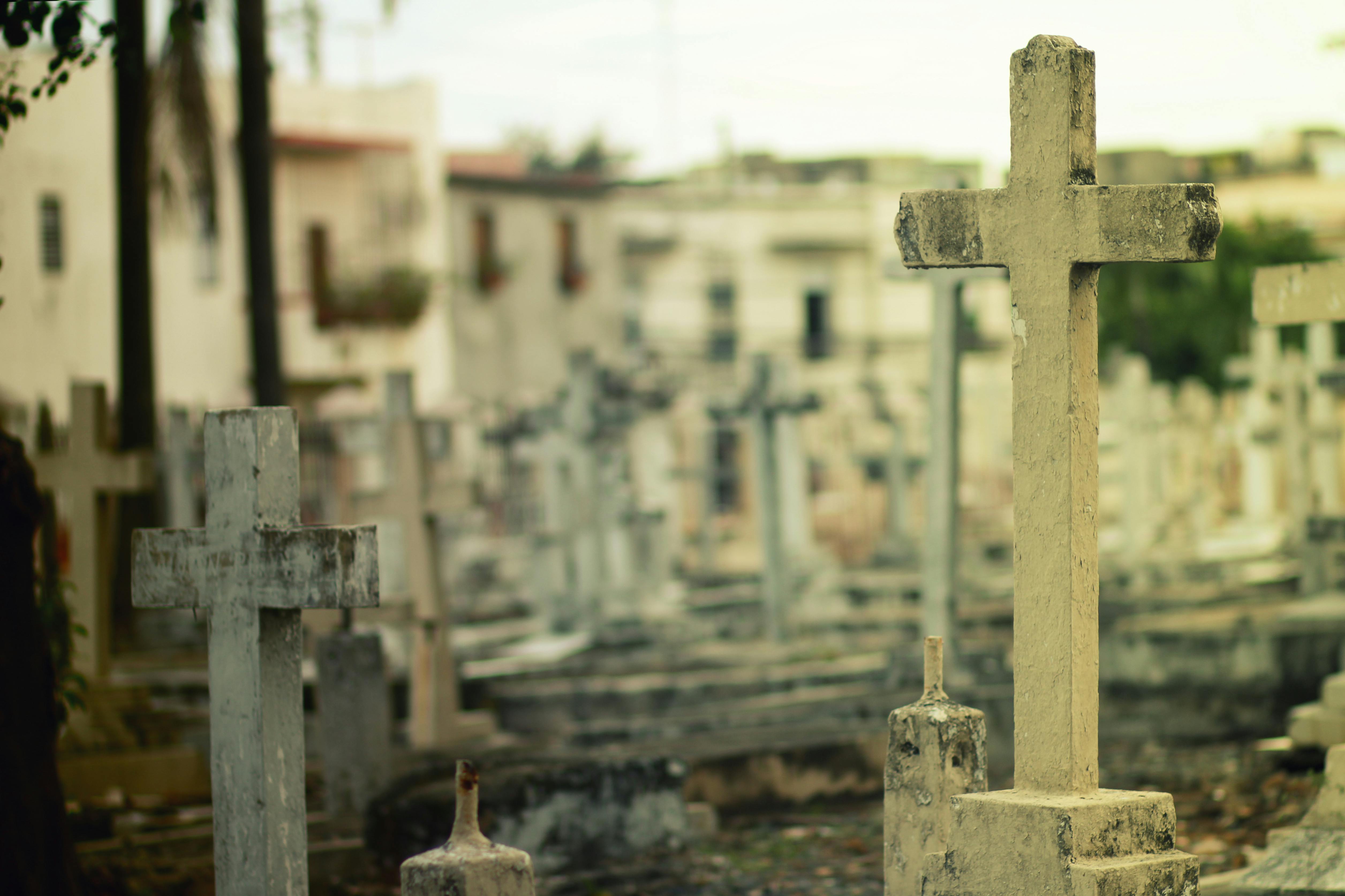
The Finnish tradition is not loud or showy; it is a personal and peaceful act of remembrance. The heart of the observance takes place in the cemeteries. As the early winter darkness falls, families make their way to the graves of their loved ones. They clean the headstones and leave fresh wreaths, often made of hardy pine and spruce—evergreens that symbolize eternal life.
But the most powerful symbol is light. Families place special lanterns on the graves, each holding a single candle. One by one, these small flames are lit until the entire cemetery is transformed into a shimmering sea of light. Each flickering candle is a silent prayer, a quiet "we remember you." There is very little talking; the feeling is one of shared, peaceful respect. After their visit, families return home for a warm, quiet meal. The memory is held close to the heart, a private and gentle tribute.
The Philippines: A Joyful Family Reunion
If Finland's observance is a quiet whisper, the celebration in the Philippines is a joyful, full-hearted embrace of family, both living and dead. In this deeply Catholic nation with strong family ties, All Saints' Day and All Souls' Day—known together as Undás—are the most important family holidays of the year.
The celebration begins with a great journey. Millions of people leave the big cities to return to their hometowns, much like Christmas or Thanksgiving. The focus is on the cemetery, but it is far from a somber place. Families clean and repaint the tombs, decorating them with brilliant flowers, candles, and photographs.
But they don't just leave flowers and leave. They stay. They set up chairs, unpack feasts of favorite family foods, play music, and share stories and laughter. The cemetery becomes a lively place of reunion. The belief is that the spirits of loved ones return during Undás to join the family, so the living want to make them feel welcome. It is a celebration of their continued presence in the family's life and history. The mood is not one of grief, but of love, laughter, and the powerful feeling that death cannot break the bonds of family.
A Look at Other Traditions
The beautiful contrast between Finland and the Philippines shows just two ways of honoring these days. Other cultures have their own unique customs. In Mexico, the famous Día de los Muertos, or Day of the Dead, beautifully blends both days. From October 31st to November 2nd, families build colorful altars in their homes, adorned with marigolds, photos, and the favorite foods and drinks of the departed. It is a festive, artistic celebration that sees death as a natural part of life, full of color, sugar skulls, and joyful remembrance.
In Italy, All Saints' Day is a national public holiday. People often attend church services and visit cemeteries to leave flowers, particularly chrysanthemums. A special custom in some regions is to leave a place at the dinner table or prepare a special meal for the souls of the departed, symbolizing their presence among the living. Meanwhile, in the United States, traditions vary greatly. Many Catholic communities hold special church services. In areas with strong Latino influences, customs similar to Día de los Muertos are practiced. For many others, it is a quiet, personal day to visit a gravesite and place flowers, reflecting the country's mix of many cultural backgrounds.
The Same Heart, Different Voices
From the candlelit silence of a Finnish graveyard to the bustling, food-filled cemeteries of the Philippines, and the vibrant altars of Mexico, the ways we observe All Saints' and All Souls' Day are wonderfully diverse. Yet, at their core, they all spring from the same human needs: to honor those who came before us, to feel connected to our history, and to affirm our belief that love does not end with death.
Whether through quiet prayer or joyful celebration, these days remind us of the timeless bond between the living and the dead. They show us that while cultures express memory in different ways, the act of remembering itself is a universal language of the heart. However you choose to observe this time, it is, at its simplest, a way of saying, "You are not forgotten."
Please log in to leave a comment.
No comments yet. Be the first to comment!
 Beyond the Silence and Snow: What Filipinos Can Learn from Finland's Quiet Independence
 Still Standing in the North: A Filipino Journey Through Uncertain Times
 Unemployment in Finland: What Filipino Workers Need to Know About Visas, Benefits, and Survival
 Finland Jobs for Filipino Chefs: How to Apply for Culinary Work in 2025